
Upcoming record releases are the scheduled launch dates of new vinyl albums, reissues, and limited pressings that collectors and music fans track to plan their next acquisitions. The vinyl market moves fast. Over 380 new LPs, EPs, singles, and reissues can drop in a single week, which means staying organized is the difference between securing a pressing you want and missing it entirely. New Music Friday cycles, Billboard's release calendar, and Metacritic's upcoming album tracker are the three primary tools serious collectors use to stay current. This guide breaks down what's worth watching, how the release schedule actually works, and how to avoid the most common collector mistakes.
1. Which upcoming vinyl record releases should collectors watch for
The most anticipated new album launches of mid-2026 span rock, pop, and alternative. Adam Lambert and Jack White both have albums scheduled for July 10, 2026. That pairing alone makes the week significant for collectors across two very different audiences.
Gracie Abrams follows with her release on July 17, 2026. Her audience skews younger, but her vinyl pressings have attracted serious collector attention due to limited color variants.

The reissue market is equally active. Snow Patrol's 20th anniversary edition of Eyes Open drops July 24, 2026, remastered and expanded for collectors who want the definitive physical version of a landmark indie rock album. Anniversary reissues like this one consistently sell out fast because they appeal to both longtime fans and newer collectors building catalog depth.
Beyond those headline names, the broader music release schedule includes dozens of smaller label drops each week. Independent pressings, regional exclusives, and genre-specific reissues fill out the vinyl record release calendar in ways that aggregate sites often miss. Checking label newsletters and artist social channels alongside Metacritic gives you a fuller picture.
Pro Tip: Set calendar alerts for the specific release dates of albums you want. Waiting until release day to check availability often means the limited pressing is already gone.
2. How release schedules and timing work for vinyl records in 2026
New Music Friday is the global standard for music release timing. Labels coordinate digital drops for Friday to maximize streaming chart impact over the weekend. Physical vinyl, however, operates on a different clock entirely.
Vinyl pressing delays mean physical releases routinely lag digital ones by weeks or even months. The manufacturing process, which involves cutting lacquers, plating, pressing, and quality control, adds significant lead time that streaming releases simply do not require. A collector who pre-orders based on a digital release date may wait considerably longer for the record to arrive.
Release dates in 2026 are volatile. Labels announce dates, then shift them with little notice. Common causes include:
- Pressing plant backlogs: Demand for vinyl has outpaced manufacturing capacity at many plants, pushing timelines back.
- Mastering revisions: Artists sometimes request changes after test pressings, adding weeks to the schedule.
- Packaging delays: Gatefold sleeves, inserts, and specialty packaging take longer to produce than standard covers.
- Shipping disruptions: International freight issues affect collectors ordering from overseas labels.
The gap between a digital announcement and a physical vinyl release is not a mistake. It is a structural feature of how the industry works in 2026. Treating the digital release date and the vinyl release date as two separate events saves a lot of frustration.
Pro Tip: When a label announces a vinyl pre-order, check whether they list a separate "ships by" date. That date is more reliable than the general release date for planning purposes.
3. Strategies for staying ahead of new album launches
Staying current with the vinyl record release calendar requires more than checking one source. Release schedules shift constantly, and many anticipated albums sit in developmental limbo with no confirmed date at all. A multi-channel approach is the only reliable method.
-
Follow official artist and label channels directly. Artist social media and label press releases announce vinyl details before aggregate calendars update. This is where you learn about color variants, bundle offers, and pre-order windows first.
-
Check independent record stores regularly. Stores like Paramusic Records in Toronto often receive advance notice of upcoming pressings from their distributor contacts. A quick conversation with staff can surface releases that never make it onto mainstream tracking sites.
-
Monitor streaming charts alongside physical release news. When an album climbs streaming charts before its vinyl release, demand for the physical pressing spikes. Getting ahead of that curve means pre-ordering before stock sells out.
-
Be selective with pre-orders. Pre-orders carry real risk when release dates shift. Prioritize pre-orders from established labels with a track record of delivering on time. For smaller or newer labels, waiting for confirmed ship dates reduces the chance of a long, uncertain wait.
-
Attend pop-up events tied to vinyl drops. Ken Carson's xperiment release included a three-day immersive pop-up in London with exclusive vinyl variants and merchandise not available anywhere else. Labels are increasingly pairing physical releases with these experiences, and attending gives collectors access to pressings that never reach general retail.
-
Use a global store directory. Vinylatlas maps record stores, vinyl-playing bars, and record fairs worldwide. When you travel, you can find stores in any city that stock new releases and exclusives, rather than relying on online orders alone.
Pro Tip: Sign up for the mailing lists of three to five labels whose catalogs you collect. Label newsletters are the fastest way to learn about limited pressings before they sell out.
4. How anniversary reissues and special editions shape the collector market
Anniversary reissues are a defining feature of the vinyl collector market. They repackage legacy albums with remastered audio, expanded track listings, and premium physical formats that the original pressing never offered. Anniversary editions appeal to both new and seasoned collectors because they give everyone a reason to buy again.
The collector value of these releases comes from scarcity and content. A 20th anniversary edition typically includes:
- Remastered audio from original tapes, often with improved clarity and dynamic range
- Bonus tracks such as demos, live recordings, or alternate mixes not on the original release
- Expanded packaging with liner notes, photos, and essays that add historical context
- Limited color pressings that are exclusive to specific retailers or regions
Snow Patrol's Eyes Open anniversary edition is a strong example of how a well-executed reissue generates demand across collector generations. Fans who owned the original want the expanded version. Younger collectors who discovered the album later want a physical copy for the first time. Both groups compete for the same pressing.
Limited editions and exclusives amplify this effect. When a pressing is tied to a single retailer or a short production run, secondary market prices rise quickly after the initial stock sells out. Collectors who track the vinyl release calendar closely and pre-order early consistently pay less than those who buy after release day.
The broader trend is clear. Reissues are not nostalgia products for passive listeners. They are active market events that shape what collectors prioritize and what stores stock. Staying informed about upcoming reissues is as important as tracking new album launches.
Key Takeaways
The most reliable way to secure upcoming vinyl record releases is to treat digital and physical release dates as separate events, monitor multiple sources simultaneously, and pre-order selectively from labels with proven track records.
| Point | Details |
|---|---|
| Volume is high | Over 380 releases drop in a single week, so filtering by priority is necessary. |
| Digital and vinyl dates differ | Physical pressings lag digital releases by weeks or months due to manufacturing lead time. |
| Release dates shift often | Monitoring artist channels and label newsletters beats relying on aggregate calendars alone. |
| Anniversary reissues drive demand | Expanded editions attract both new and longtime collectors, selling out quickly. |
| Pop-up events offer exclusives | Attending release events gives collectors access to variants unavailable in general retail. |
The part of collecting nobody talks about enough
The release calendar looks orderly from the outside. In practice, it is anything but. I have watched collectors pre-order records six months out, only to see the release pushed back twice and the color variant they wanted quietly discontinued. The frustration is real, and it is built into how the industry operates right now.
What I have found actually works is treating every pre-order as a bet, not a guarantee. The labels I trust are the ones with a consistent history of shipping on time and communicating delays honestly. The ones I approach with caution are newer operations that announce ambitious release slates without the pressing plant relationships to back them up.
The anniversary reissue market is where I spend most of my attention these days. A well-executed reissue of an album I already love, with genuine audio improvements and expanded content, is a better use of money than chasing every new release. The Snow Patrol Eyes Open anniversary edition is exactly the kind of release that rewards patience. You know the music. You know it holds up. The only question is whether the pressing is worth owning, and usually the answer is yes.
My honest advice: build your tracking system around three or four labels you trust, follow two or three stores that specialize in your genres, and let everything else come to you. The digger who tries to catch every release ends up with a collection full of impulse buys. The one who waits ends up with records they actually play.
— M
Where Vinylatlas fits into your release tracking
Knowing what is coming out is only half the work. Finding a store that actually stocks it, especially when you are traveling, is where most collectors hit a wall.
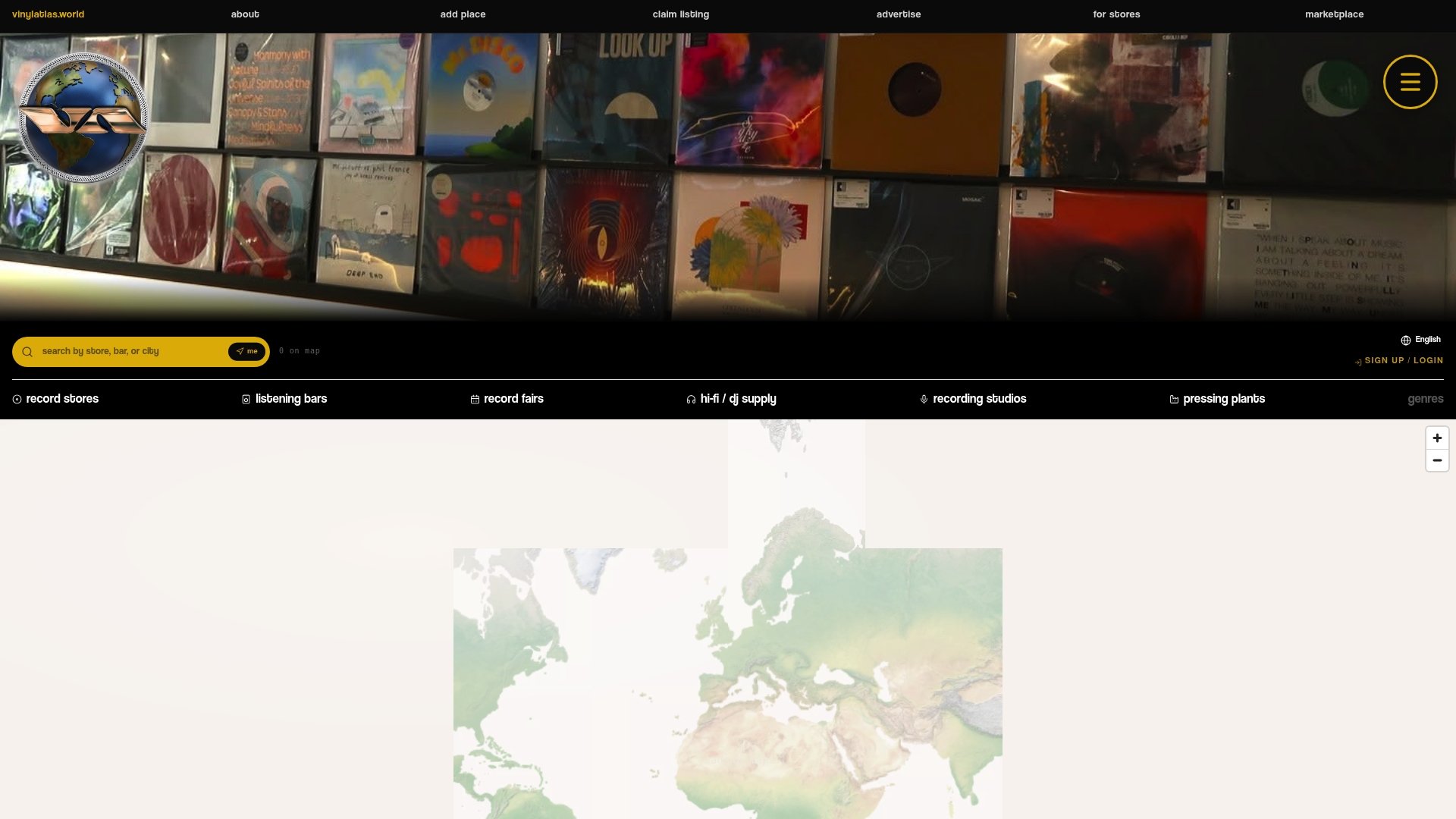
Vinylatlas maps every record store worldwide so you always know where to dig, no matter what city you land in. Stores like XTCR in Milan and ID On Wax in Barcelona carry new releases, limited pressings, and reissues that rarely make it onto major retail platforms. Vinylatlas was built by the team behind Catalog Music, a record store that ran in Fortitude Valley, Brisbane from 2020 to 2026. They know what it takes to find a reliable dig in an unfamiliar city, and that experience is baked into every listing on the platform.
FAQ
How many new vinyl records release each week?
Over 380 LPs, EPs, singles, and reissues can drop in a single week as of mid-2026. That volume makes a filtered, priority-based tracking system necessary for any serious collector.
Why does vinyl release later than the digital version?
Physical vinyl lags digital releases by weeks or months because the pressing process, which includes lacquer cutting, plating, and quality control, adds significant manufacturing lead time. Treat them as two separate release events.
What albums are coming out on vinyl in mid-2026?
Adam Lambert and Jack White have releases scheduled for July 10, 2026, Gracie Abrams follows on July 17, and Snow Patrol's anniversary edition of Eyes Open drops July 24. These are among the most collector-relevant drops of the summer.
Are anniversary reissues worth buying for collectors?
Anniversary reissues typically include remastered audio, bonus tracks, and limited color pressings that the original release never offered. They sell out quickly because they attract both longtime fans and newer collectors, making early pre-orders the best way to secure them at retail price.
How do I avoid missing a limited vinyl pressing?
Monitor artist social media and label newsletters directly rather than relying solely on aggregate calendars, and pre-order as soon as a pressing is announced. Attending pop-up events tied to major releases also gives access to exclusive variants not available in general retail.